by Chesapeake Fence | Jun 23, 2023 | Fencing
New Fence Install or Repair Near Me
Adding a fence to your property increases its value, resulting in a higher price compared to a property that lacks a fence. Are you looking to install a new fence on your property? You might be considering chain link fences, wood, wrought iron, or vinyl fence. Installing or repairing a fence yourself can be time-consuming and challenging. That’s why it is important to find the right contractor who understands all the latest fencing trends and processes.
If you’re planning to sell your home or improve its overall aesthetics, a good-looking fence is the way to go. In this article, we tell you everything you need to know about choosing the best fence material for your home. We’ll also give useful tips for fence installation and maintenance. Read on to discover everything you need to know about fence installation. Find out how to install a new fence or see if you can repair your existing one.
How Do I Find a Fencing Company Near Me?
To find the best fencing contractors start by researching local companies online. It’s also worth delving into review sites and reading what other customers have said about their services. It’s a good idea to ask for recommendations from friends and family when looking for a trustworthy company such as Chesapeake Fence and Awning Co.. We go into more detail later on in this article about what to look for when selecting a fencing company.
What’s the Best Way to Find a Fencing Company When You’re New in Town?
The best way to find a fencing company when you’re new in town is to ask around. Talk to your neighbors, family, and friends for referrals or tips on the best companies in the area. See if any of them have experience with local fence installation companies. Ask whether they would recommend their services. If you can’t get any personal recommendations, search online for local fencing company reviews and ratings.
Online business directories are also useful resources for finding quality local businesses that offer fencing services. Make sure to check out customer feedback or testimonials so that you can get an idea of the quality of service they provide before deciding on which contractor to hire. Also, don’t be afraid to contact potential contractors directly and ask questions; this will help ensure that you make an informed decision when selecting your fence installer or repair specialist.
What Is the Best Material for My Fence?
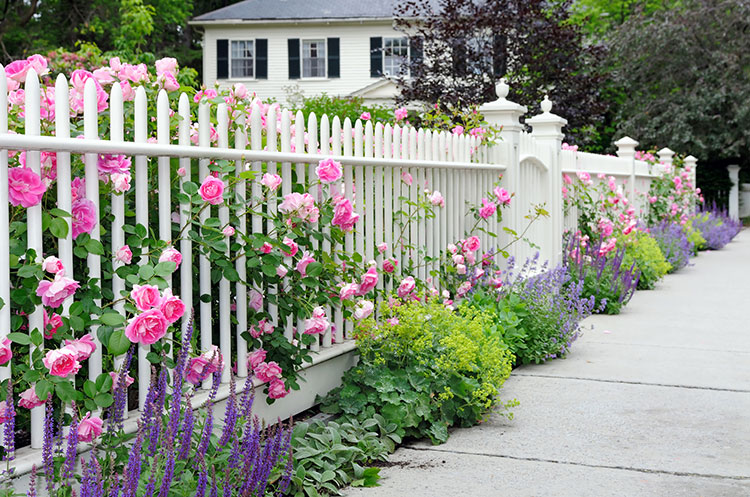
There’s no shortage of different types of fences on the market. When you’re trying to figure out the best material for your fence, there are various factors you’ll want to consider. The main ones are security, maintenance requirements, and cost.
Wood Fences
Wood is a classic and traditional material for fencing, and it’s still one of the most popular options today. Wood is strong, durable, and relatively inexpensive compared to other materials. It can also be stained or painted to match your home’s exterior. However, wood requires regular maintenance to ensure that its appearance doesn’t fade over time. Additionally, wood won’t provide as much security or privacy compared to other fence materials, such as metal or vinyl.
Vinyl Fences
Vinyl is another popular option for fencing material, and it’s becoming increasingly popular due to its low maintenance requirements. It’s also resistant to corrosion and won’t require painting or staining as wood does. Vinyl fences are available in a variety of colors and styles, making them a great option for households that want to customize their fencing.
Metal Fences
Metal fences are the most secure option, as they provide superior strength and durability compared to other materials. They’re also rust-resistant and require very minimal upkeep over time. Metal fences can be expensive, however, they are also a long-term investment. It’s important to consider your budget when deciding which type of fencing material to choose.
Chain Link Fences
Chain link fences are a great option if you’re looking for an affordable and low-maintenance fencing solution. They provide decent security and privacy, and they can be purchased in various heights and colors to fit your needs.
Composite Fences
Another option to consider would be composite materials that combine both wood fibers with plastic resins for a product that lasts longer than natural materials while also requiring less maintenance. Composite fencing is typically more expensive than other materials, but it’s also very low maintenance and provides excellent privacy. It can also be painted or stained to match your home’s exterior.
How Long Does Fence Installation Take?
The length of time it takes to install a fence depends on the type of material you choose and the complexity of the project. Generally, vinyl fencing can take about one to two days to install, while wood and composite fences may require up to three or four days. Metal fences typically take longer as they must be assembled piece by piece before installation can begin.
Additionally, terrain conditions like distance from power lines or other impediments will affect how long it takes to install your fence. If you’re replacing your fence, you will probably already have each post hole already in place. If this is the case, it will be quicker than starting from scratch.
Should I Install a Fence Myself?
If you have some experience with home DIY projects, a fence installation can be a good project to take on yourself. However, if you are not comfortable or familiar with the process, it is best to hire a professional for a more secure and long-lasting fence installation. Professionals will also be able to provide additional support should any issues arise during the installation process.
When to Get Professional Help
It is best to hire a professional for fence installation and maintenance as they will be able to provide a more secure and long-lasting result. Additionally, professionals are better equipped to identify any potential issues that may arise during the installation process or while dealing with maintenance tasks. Having access to professional help for your fencing project will ensure the job is done right the first time, saving you time and money in the long run.
What Makes for a Quality Fencing Company?
When choosing a fencing company to complete your project, there are several important things you should look for. It’s worth shopping around before committing to a company and seeing how they each perform.
Here’s our list of what you should be looking for:
- Do they have experienced and knowledgeable staff
- Do they use high-quality materials and tools?
- Do they offer professional installation?
- Do they offer accurate estimates for the cost of project completion?
- Do they have a track record of timely completion of projects?
- Are they good at communicating with customers throughout the process?
- Have they got flexible payment options?
- Is there clear warranty information regarding the services and materials used
- Are they willing to answer any questions from customers promptly?
- Do they have a track record of reliable customer service after the sale?
How Long Should I Expect My Fence to Last?
The longevity of your fence depends on the material used to build it. Generally, a wood fence can last between 15-20 years, while a vinyl fence should last around 25-30 years. Metal fences typically have an even longer lifespan of 20-40 years. The terrain conditions and maintenance of the fencing will also play an important role in how long your fence lasts. When properly maintained, you can expect even longer lifespans for your fencing investment.
The Benefits of Chain Link Fences
Chain link fences are an excellent choice for those looking for an affordable and low-maintenance fencing solution. These fences are quick to install, cost-effective, and offer a variety of benefits to property owners. Structurally, chain link fences do not rot or decay like wood or other materials, making them more durable and long-lasting in most climates. They also require very little maintenance, making them a great option for those who don’t want to have to regularly maintain their fence. Additionally, chain link fences offer many security benefits as they allow full visibility of the property behind the fence. This can help deter would-be intruders and make your home safer.
Overall, chain link fences are a great option for many homeowners looking for an affordable and long-lasting fence solution.
Looking for a Reliable Fencing Company Near You?
Chain link fences are an excellent choice for those looking for a low-maintenance, affordable, and long-lasting fencing solution. Not only do they provide visibility to the property behind them, but also require minimal maintenance throughout their lifespan.
If you’re in the market for reliable chain link fence installation or repair services, look no further than Chesapeake Fence and Awning Co! Our team of professional installers has years of experience installing high-quality fences that will last for years to come. Contact us today to get started with your free estimate!
by Chesapeake Fence | Jun 2, 2023 | Fencing
Over half of US homes have a fence around the backyard area for security reasons. On the other hand, only 5% of US homes have fences in the front yard.
If you want a fence for your home, you have a lot of options available. There are different types of commercial fencing and traditional fencing. These come in different materials that have different benefits and downsides. This guide will help you choose the type of fence to fit your property.
Keep reading to find out what types of commercial fencing you should consider.
Types of Commercial Fencing
With so many fencing materials available, this can be an overwhelming decision. You need to look at the types of commercial fencing and what they have to offer. Doing your research will help you to make an educated decision. This is important no matter what property you are working with or what your goals are.
Here are some of the most common examples of commercial fencing.
Chain-Link Fencing
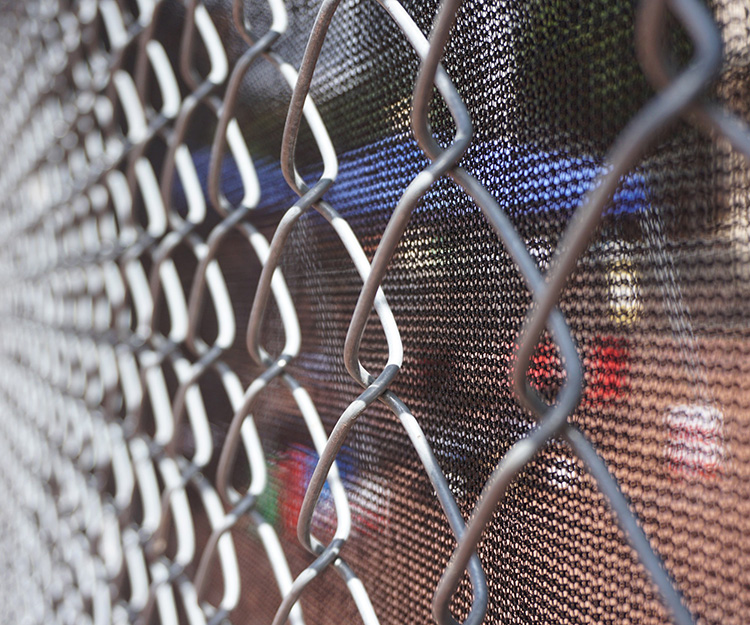
Metal fences are extremely common in the US. This is for a good reason as they are very durable and have a standard appearance. These are great commercial options and usually return on their investment. The types of commercial fencing include chain-link fencing. These used to be considered unsightly since there weren’t as many options. But now they have more aesthetic appeal since you can find different varieties. Chain-link fences are made of woven wire. You can now buy them with a metallic coating or a color coating for a different appearance. Chain-link fences do not shield the building from view, so they don’t feel overwhelming. They are also ideal for security purposes as they keep trespassers out.
Aluminum Fencing
If you are interested in welded wire fencing, there is another metal option to consider. Companies like Chesapeake Fence & Awning Co also provide aluminum fencing. This is a type of fence that is highly durable and aesthetically pleasing. It is a perfect option for commercial and residential properties. The biggest benefit of aluminum fencing is that it is affordable. You can find a variety of sizes and designs that will last for many years to come. There are coatings and different treatments available to add to this durability. This can help the aluminum to stand against external wear and tear. This includes sun exposure, snow, heat, and other elements.
Vinyl Fencing
If you are interested in installing a fence, you have to choose from a long list of options. One great option that you should consider is vinyl fencing. Vinyl is one of these fencing options that is easily overlooked. But it provides durability and a professional look for any kind of property. Vinyl fencing comes in a variety of styles and is a very durable material. It isn’t going to rot like wood or rust like a metal fence. It is also very easy to maintain and keep clean long term. This ensures that you will get the most out of this investment for your property.
Wood Fencing
With so many fence options, it is easy to become overwhelmed. One standard option is wood fences. These are often made with wooden posts and panels depending on the style. These are very standard fences that have a more traditional appearance. Although, you could always paint a wooden fence to match the commercial building. Commercial wooden fences are a durable and sustainable fencing option. Keep in mind that they do not sustain wear and tear, as well as some other options. Because of this, the wooden fence should have some kind of treatment to make it more durable. For most fences, cedar and treated pine are some of the better options. The type of wood that is ideal will depend on the weather in your area.
Barbed Wire Fencing
The types of commercial fencing available often provide security. This is because commercial buildings want to protect against intruders and robbers. One great way to do this is with a barbed wire fence. These can also be adapted so that they serve as an electric fence as well. This is a great option if you need to protect the property and the building. This is most commonly seen in areas where trespassing is a valid concern.
Pros and Cons of Different Fencing Materials
When you are choosing fencing, you need to also consider the material. Not every material is going to be held to the same standard for your property.
Most types of commercial fencing are made of very sturdy materials. But it is still worthwhile doing research to figure out which one is the best for your property.
Wood
A lot of people are drawn to more traditional fence styles. These often take the form of a wooden fence that has a very standard look. For the most part, wood fences are a great option for all properties. They are aesthetically pleasing as well as durable in most climates. But it is important to note that wood is acceptable to wear and tear. It can start to absorb moisture and become moldy or rot over time. Wood fencing can also start to chip away or break apart if it is very old.
Metal
Depending on the property, certain fence materials are more attractive. For instance, metal fencing is becoming increasingly popular. This is an incredibly durable option that provides top-notch security. People are not going to break through a metal fence, and they will have a very hard time climbing it. But metal fencing can start to rust if it isn’t cared for. Certain types of metal are more likely to do this and need a protective coating or treatment. With that said, metal fences are easy to care for and keep clean. As long as they are installed correctly, they should last for many years.
Vinyl
Another option you should consider is the more modern option. Vinyl fencing is a great option when it comes to durability and design options. It is very customizable and has a very polished look. This is a more expensive option when it comes to the upfront cost of materials and installation. It may also be vulnerable to drastic changes in the temperature. But for the most part, vinyl fencing will stand the test of time as it doesn’t rot or rust.
Traditional Fencing Materials
If your home needs a fence, you may be evaluating your options. A lot of people lean towards traditional fencing when it comes to residential properties. This is because they provide a more traditional look that is welcoming and homey. The most traditional fencing material is going to be wood. Wood has been a material for fences since humans started building fences. It has a lot of benefits and is very aesthetically pleasing. But metal and vinyl are also traditional fencing options. They have been around for a long time as well and offer a variety of traditional styles. The option you choose will come down to the look you want and what looks best with your home. Because of this, there is no one option when it comes to traditional fencing.
Fencing Options for Farms + Acreage
If you live out of town, you especially need a fence. This applies to farms and acreage locations with a lot of property. It is important to fence your property as a safety precaution. You may also have animals that you need to keep within certain bounds.
Wire Fencing
Metal fencing is a very standard option when it comes to farm fencing. This is durable and keeps your property secure with an affordable investment. You can also rig wire fencing to be electrical to keep animals inside. This is ideal for livestock and keeping intruders out of your pastures.
Split Cedar Fencing
A lot of people lean towards rustic fencing options for the country. For a rural property, you could choose a split cedar fence. This has a very rustic look and does not require very much maintenance. It does not provide complete security, but it is perfect for keeping some animals within bounds.
Game Fencing
If you are a farmer or own a lot of animals, you may have issues with wildlife. This is a common issue when it comes to things like foxes or deer. A game of fence is designed specifically to keep wildlife out of your property. This provides top-notch security for animals and humans alike. It has a very standard country look and is a very durable option.
Rail Fencing
Another common option for farm fencing is made of wood. This is called a post and plank or a post and rail fence. These can be entirely made of wood or made with a combination of wood and metal. They are perfect for padlocks and pastures for keeping animals in. These fences also provide security from human intruders as long as the fence is tall enough.
Fencing Options for Your Home
There are plenty of types of commercial fencing to choose from. But there are just as many residential options for your home. Every option has its pros and cons, depending on the situation. There is no single fence that is perfect for every home, which is why you need to do your research.
Chain-Link Fencing
A big concern for homeowners is security when it comes to their property. One great option for security is a chain-link fence to keep intruders out. These provide durability and security without taking away from your home. They are also easy to maintain and do not require much work on your part.
Privacy Fencing
The majority of homeowners enjoy some level of privacy around their property. This is where having a privacy fence comes in handy. These fences are often tall and are made with panels fitted clothes together. This does not leave any cracks or gaps where people can see through. This provides almost complete privacy all around your property. It also provides security since people will have a hard time getting in. Most privacy fences are made of wood or vinyl.
Picket Fencing
If you want a fence for your home, you may want a more traditional look. The most traditional kind of fence for homes is the classic picket fence. A picket fence is made of pointed stakes that are a few inches apart. This does not provide much privacy or security, but it has a very aesthetically pleasing look. Most picket fences are made of wood or vinyl, but some are made of metal as well. These are perfect for keeping small dogs on your property and discouraging intruders.
Lattice Fencing
When it comes to your property, the fencing options are almost endless. Another beautiful option you have is to choose a lattice fence. This is a fence that has a crisscross design of wood, vinyl, or metal. These fences vary in design depending on the look you want. They do not provide much privacy, but they help to keep intruders out and pets in. It is a great way of enhancing your exterior, especially if you plant the vines around the fence.
Does Your Rural Property Need a Fence?
Installing a fence is a large investment, no matter how you look at it. If you live in rural areas, you may be wondering if this is something you need. The reality is that you definitely need a fence if you live out of town. When you live in the country, your property is exposed to all kinds of threats. The most common threats come from wildlife that may try to get your animals. There’s also a risk of your animals wandering off and getting lost in the countryside. Human encounters are less common, but they are still a real threat. It is always better to have some security around your property to keep potential intruders out. Having a rural fence is also a great way of defining your property lines. You may find that people unintentionally trespass because they don’t know where the lines are.
Do All Residential Properties Need a Fence?
If you are a homeowner, you may not know if a fence is a worthwhile investment. After all, most homeowners have many projects they want to tackle. Like a commercial fence, the reality is that a residential fence is a great option. Here are the benefits for your home when you have a residential fence.
Privacy
Most fences help to obscure your home and backyard from view. This provides you with much-needed privacy from your neighbors and passersby. You don’t even need to invest in a privacy fence to enjoy some privacy. Any kind of fence will distort the view people have, giving you a certain level of privacy.
Security
Most people invest in fences to protect their property. You may do this because you have small children or pets that you want to protect. A fence allows you to feel at ease having your family out and about. There’s also less risk of someone breaking into your home if they have to get past a fence first. A fence isn’t going to stop every intruder, but it is a good deterrent. It can also give you time to figure out that there is an intruder before they get into your home.
Value
It is no secret that home improvements make your home more valuable. Adding a fence is no different, as this is a very desirable upgrade. The majority of home buyers are going to be looking for homes with fences. This is most common in the backyard, but front yard fences are a good option as well. A home with a fence shows the buyer that this isn’t an investment they have to make. This adds value to your home if you ever plan on reselling it. This is especially true in residential homes where the neighbors are close by.
Property Lines
Depending on where you live, you probably own a section of property. This can be difficult to determine since you have to look at different maps to locate your property lines. A fence is a great way to mark where your property begins and ends. This is a good reference for yourself as well as for other people. You will have fewer people walking over your property if they see where it starts. This also shows your neighbors where they are property ends so they don’t take advantage of the space. This can also be a positive feature for buyers if you are selling your home.
Which Fence is Best for Your Business?
If you own a commercial property, you may be looking at your fence options. It is difficult to pinpoint which option is the best one for businesses. Most business owners agree that a chain-link fence is one of the better options. It is affordable and durable without becoming an eyesore to your property. It keeps intruders out and helps to define where your property ends and begins. But wood and vinyl fencing are both great options as well. They come in a variety of designs and are relatively easy to maintain long-term. They also offer a variety of styles that you do not get with a chain-link fence.
Privacy Fencing Ideas
The majority of homeowners gravitate towards larger fences. This is because they provide the most privacy and security for the home. The best privacy fence ideas include vinyl and wood fences. You can find these fence styles in a design that does not leave any gaps between the panels. This provides complete privacy for your backyard, where your children can play. You could also use a lattice or metal fence and grow climbing vines there. With enough time, the vines will grow over the fence, creating a privacy sheet. This is a long-term solution, but it creates a breathtaking look. Keep in mind that this will only provide a privacy fence during the warmer months of the year. The climbing vines will die during autumn and winter, leaving your backyard exposed.
Fencing Your Garden
No matter where you live, keeping your garden secure is a priority. Even in the middle of town, there are still pests that will try to eat your goods. Small picket fences are a good option for keeping larger pests away. They will deter your dog from chewing on your lettuce or deer from stealing vegetables. But you may need to invest in a game fence for smaller pests. This has a tighter metal design that keeps things like moles and mice out of your garden. If you simply want a decorative fence, there are very small picket fence designs available. These are beautiful and help define where your garden is as opposed to the rest of the landscape. Instead of a fence, you could always create a rock border as well.
Types of Commercial Fencing: Choosing the Right Fence Type
If you own a commercial or residential property, you may be looking into fencing. There are many types of commercial fencing available in a variety of materials and styles. This can make the decision difficult to make, but there are certain things to look for. For instance, you may want a chain-link fence or a vinyl fence, depending on your goals.
Are you interested in buying and installing a fence? Contact us today at Chesapeake Fence & Awning Co to get a free estimate.
by Chesapeake Fence | May 8, 2023 | Fencing
Did you know that the average homeowner spends $2,641 on a fencing project? As an increasingly popular home improvement choice, fences offer privacy, security, and enhanced curb appeal for your property. If you’re considering a fencing project for your home this year, we’ve got you covered. In this complete guide, we will walk you through everything you need to know about managing your fencing project from start to finish.
What Are Your Fence Goals?
Before starting your fencing project, it’s crucial to identify the primary purpose of your fence. This will help you make informed decisions about the design, materials, and height of your fence.
The main reasons people install fences include marking property lines, enhancing privacy, and protecting pets and children. By keeping your goals in mind, you can choose the right fence that best meets your needs. Here are some common fencing goals:
Marking Property Lines
A well-placed fence can help define the boundaries of your property. This is particularly important in residential neighborhoods, where homes are often built close together. By installing a fence, you can avoid disputes with neighbors and create a clear border for your land.
Enhancing Privacy
If you want to create a secluded space where you and your family can relax and enjoy your outdoor area, a privacy fence is an excellent option. Privacy fences are typically taller and have fewer gaps between panels, making it difficult for outsiders to see into your yard.
Protecting Pets And Children
A secure fence can prevent pets from escaping and keep children safe while playing in the yard. In this case, you should consider a fence with minimal gaps and secure gates to ensure their safety.
Height For Marking Property Lines
Determining the ideal fence height for marking property lines involves considering your goals and the type of fence you want to install. Common fence heights for property line fences range from three to six feet tall. It’s essential to consider the height of your fence in relation to your goals, as a higher fence may provide more privacy but could potentially block views. Here are some factors to consider when choosing the ideal fence height for marking property lines:
Fence Types
Different fence types serve different purposes and have varying standard heights. For example, front yard fences are often shorter, while pool fences and residential fences require specific heights to meet safety regulations. Chain link fences can be a cost-effective option for marking property lines but may not offer the desired privacy or aesthetic appeal.
Local Laws And Regulations
Before installing a fence, check with your local government and homeowner’s association (HOA) to ensure you’re following the rules regarding fence heights. Some areas have strict regulations on how high a fence can be, particularly in front yards and around pools. Failing to comply with these regulations could result in fines or being required to remove or modify your fence.
Aesthetic Appeal
Consider how your fence will look in relation to your property and the surrounding area. Taller fences can create a more private and secure environment but may obstruct views and appear imposing. A shorter fence may be more visually appealing and blend better with the neighborhood’s aesthetic.
Security Needs
If the primary purpose of your fence is to provide security, a taller fence may be necessary. A security fence should be at least six feet high, with additional features like barbed wire or spikes on top to deter intruders. Keep in mind that a security fence may not be suitable for all residential areas due to local regulations and aesthetic considerations.
Privacy Fences
Privacy is an essential aspect of any fencing project, especially when your goal is to create a secluded outdoor space. To choose the right fence for privacy, you should consider the fence’s height, materials, and design. A well-designed privacy fence can enhance your property’s overall aesthetic and help you enjoy your outdoor space without worrying about prying eyes.
Here are some factors to consider when choosing a privacy fence:
Fence Height
The height of your privacy fence should be tall enough to block the view of your yard from neighbors and passersby. Standard height for privacy fences ranges from six to eight feet tall. However, it is essential to check your local laws and HOA regulations, as they may have specific height restrictions.
Materials
Different materials offer varying levels of privacy. For example, chain link fences provide little privacy, while wood, vinyl, and composite fences can offer a higher level of seclusion. Choose a material that suits your privacy needs and complements your property’s aesthetic.
Design
A fence’s design can also impact its ability to provide privacy. Solid fences, like those made from wood or vinyl, have no gaps between panels, making it difficult for outsiders to see into your yard. However, some people may prefer more decorative designs, such as lattice or wrought iron, which can still offer a degree of privacy while maintaining a more open feel.
Protecting Pets And Children
A key goal for many fencing projects is to keep pets and children safe within the confines of your yard. A well-designed fence can prevent pets from escaping and provide a secure play area for children. To choose the right fence for this purpose, consider the fence’s height, materials, and design features that ensure safety. Here are some factors to consider when selecting a fence to protect pets and children:
Fence Height
The ideal fence height for keeping pets and children safe will depend on the size and agility of your pets and the age of your children. A standard height of four to six feet is typically sufficient for most residential fences. However, if you have larger or more agile pets, you may need a taller fence to prevent them from jumping over it.
Materials
The fence material should be sturdy and durable, with minimal gaps to prevent pets from squeezing through. Wood, vinyl, and metal are popular choices for pet and child-friendly fences. Avoid materials like chain link, which can be easily climbed by children or provide footholds for pets to escape.
Design Features
To ensure the safety of your pets and children, consider design features such as secure gates and entry points with childproof latches. Additionally, avoid fences with sharp edges or points that could cause injury.
Consider Cost And Maintenance
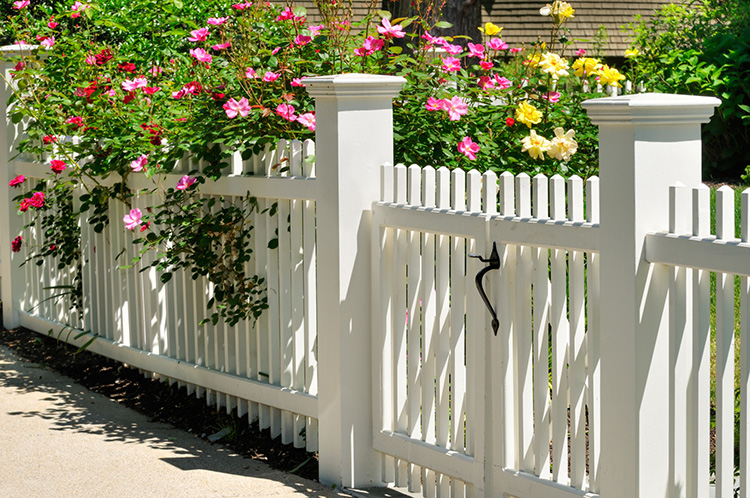
When planning a fencing project, it’s essential to think about both the initial cost and long-term maintenance requirements. By considering these factors, you can make an informed decision about the type of fence that best suits your budget and lifestyle.
Estimating The Cost
The cost of a fencing project can be influenced by several factors, including materials, labor, and additional features. Here’s a brief overview of what to consider when estimating the cost:
Materials
The type of material you choose will significantly impact the overall cost of your fence. Wood, vinyl, and metal are popular choices, but each comes with its own price tag. Wood is often the least expensive option, while vinyl and metal can be more costly.
Labor
Installing a fence can be labor-intensive, and hiring professionals can add to the overall cost. However, some people choose to install their fences as a do-it-yourself project to save money on labor costs.
Additional Features
Gates, decorative elements, and special coatings can all add to the cost of your fencing project. Keep these additional expenses in mind when estimating your budget.
Maintenance Requirements
Different fence materials require varying levels of maintenance to keep them looking good and functioning properly. Here’s a summary of the maintenance requirements for popular fence materials:
Wood
Wood fences require the most maintenance, as they are susceptible to rot, insect damage, and weathering. Regular painting or staining, along with periodic repairs, will be necessary to keep a wood fence in good condition.
Vinyl
Vinyl fences are low-maintenance and can be easily cleaned with soap and water. They do not require painting or staining and are resistant to weathering, insects, and rot.
Metal
Metal fences, such as wrought iron or aluminum, are durable and typically require less maintenance than wood. However, they may need occasional painting or rust treatment, especially in areas with high humidity or salt exposure.
Common Fence Heights
Choosing the right fence height is crucial for achieving your fencing goals, whether it’s marking property lines, ensuring privacy, or protecting pets and children. In this section, we’ll discuss common fence heights for various purposes and the pros and cons of different fence heights.
Standard Fence Heights
The standard height for fences depends on their intended purpose. Here are some common fence heights for different applications:
Front Yard Fences
Front yard fences are often shorter, ranging from three to four feet in height. These fences are typically decorative and serve to mark property lines or enhance curb appeal.
Pool Fences
Pool fences are designed for safety and typically stand at least four feet tall. Many local regulations require pool fences to be a specific height to prevent accidents and ensure the safety of children.
Residential Fences
Residential fences can vary in height depending on their purpose, such as marking property lines or providing privacy. Common heights for residential fences range from four to eight feet tall.
Pros And Cons
When deciding on the height of your fence, consider the following pros and cons of different fence heights.
Taller fences offer more privacy and security but can be more expensive and may require a permit. They can also block views and may not be allowed by local regulations or HOA rules.
Shorter fences are often more visually appealing and less expensive, but they may not provide the desired level of privacy or security. They are typically more acceptable under local regulations and are easier to install.
Check Local Laws And HOA Regulations
Before starting your fencing project, it’s essential to check local laws and homeowner’s association (HOA) regulations to ensure your fence meets all the necessary requirements. Local laws and HOA rules can vary, but they often dictate the type of fence, the height, and the location on your property.
Importance Of Checking Local Laws
Local laws are in place to ensure safety, maintain the aesthetic appeal of neighborhoods, and prevent conflicts between neighbors. Failing to comply with local laws can result in fines or being required to remove or modify your fence. Some common local laws include:
Fence Height
Depending on the type of fence and its location, local laws may restrict how high a fence can be. For example, front yard fences may have lower height limits than backyard fences to maintain visibility and the neighborhood’s aesthetic appeal.
Fence Type
Certain fence types may be prohibited or restricted in some areas. For example, a picket fence may be allowed in a front yard, while a tall privacy fence may not be permitted.
Fence Location
Local laws may specify how close a fence can be to a property line, road, or sidewalk. This helps maintain clear sightlines for drivers and pedestrians and ensures that fences do not encroach on neighboring properties.
Importance of checking HOA regulations
If you live in a community with an HOA, it’s crucial to check the rules and guidelines regarding fences. HOAs often have specific requirements to maintain a uniform appearance in the neighborhood. Some common HOA regulations include:
Fence Height
HOA rules may restrict the height of fences in the community. These restrictions can vary depending on the type of fence and its location on your property.
Fence Type
The HOA may have guidelines about the materials and styles of fences allowed in the neighborhood. For example, they may require that all fences be made of a specific material or be a particular color.
Fence Location
Similar to local laws, HOA regulations may specify where a fence can be installed on your property. These rules help ensure that fences do not encroach on neighboring properties or obstruct views.
Still On The Fence?
A well-planned fencing project can significantly enhance your property’s value, security, and privacy. By taking into account factors such as fence goals, height, cost, maintenance, and local laws and regulations, you can make an informed decision and choose the perfect fence for your needs.
If you’re on the fence about which fence height to use, reach out to us for guidance and a quote. With the right planning and execution, your fencing project will be a success that you can enjoy for years to come.
by Chesapeake Fence | Jan 11, 2023 | Fencing, Residential Fencing
Almost 48 million people in America have a pet dog. Despite all the love you give them, many of them seemed determined to escape the life of a domestic pet to roam the world as a wild dog. In reality, many of them would miss their creature comforts, so you need a fence that will keep them safe and secure. The fence you choose should not only look good in your garden but also keep any wandering or curious pets safe. Dog owners in particular need to be careful, as dogs are clever creatures that enjoy digging under fences to find their freedom. Find out more about your best fence options below.
What Are the Best Fences if You Have a Pet?
The fencing material you choose to surround your garden with should be resistant to your pup’s attempts to get out. However, the options for pet fencing are wide and varied, so you must consider what fence will work best for your needs. For example, if your dog has damaged any previous fencing you’ve owned, you’ll want to choose a strong material like aluminum for your fence. Or, if your dog likes to dig, a deeply planted wooden fence may be your best option.
You’ll also want to consider the climate where you live before buying a fence. If you have a lot of wet weather, you will want to avoid materials that rust or soak up water. If it’s windy where you are, you’ll want a sturdy fence that holds its ground even on the most blustery day.
What Should you Consider for your Fence if you Have a Fence?
The size of your dog should be your first consideration if you have a fence. A large dog won’t be contained by the same fence material that easily holds a small dog. A fence should make your life easier, which is why you’ll want to consider maintenance and upkeep. An elderly person living alone with a pet may not want a fence that requires frequent sanding or re-painting.
Similarly, those with young children should purchase a fence that will be easy to wipe down and keep clean. This is also important if you have a dog that simply can’t stay out of the mud!
You’ll want to consider the height of your fence if you have a dog. You may need planning permission for your fence, as it can only be up to 6ft tall in Chesapeake. You may be allowed to build your fence higher than this if you request special permission, however, always ensure you go through the proper planning authorities to do so.
What Materials Are the Best for a Fence if You Have a Pet?
Finding the right fencing material is important for your home, garden, and, most importantly, your pet. You need a secure option that won’t allow your animal to bite through or jump over.
Certain materials work better than others because they don’t rot or rust and because it’s tougher for your dog to escape from them. Keep in mind the above considerations when choosing a fence that’s right for your garden, as this will help you pick the most secure one.
Picket Fence
A picket fence is a home classic that conjures up images of ideal family life. Conventionally made from wood, this kind of fence is pointed at the top and adds a wonderful touch of symmetry to any garden.
A picket fence is a great choice for dog owners because your pooch will find it difficult to jump over them. The panels are also usually paired closely together, making it harder for any size dog to squeeze through. A picket fence is also one of the most aesthetically pleasing. It’s an easy fence material to paint, so you can effortlessly match it to the color of your house.
Wood Fencing
A wooden fence offers numerous advantages for pet owners and it is one of the most environmentally-friendly fence options. Always make sure you buy a wooden fence from a reputable vendor to ensure you are getting the highest quality wood. Another advantage of wooden fencing is that it’s generally aesthetically pleasing. Not least of all because you can easily paint it whatever color you desire, it is easy to make your wooden fence your own. Just make sure to use non-toxic paint for any curious pooches who might give it a lick! Wooden fencing is a great choice for dogs that like to dig. You can plant it deeply into the ground so your dog will have a hard time burrowing under it.
However, keep in mind that wooden fencing is prone to breakages, especially from bad weather. When you’re considering the types of fencing that will work best for your garden, remember that wooden fences might need to be repaired often.
Aluminum fencing
Aluminum fencing is another common material used for pet protection. It holds up well against any kind of weather and it also shouldn’t corrode. Aluminum fencing is also fairly low maintenance. It doesn’t require much cleaning throughout the year and you won’t need to treat it for rust. And, of course, it’s strong enough to withstand blows from even the most boisterous dog. An aluminum fence won’t bend or dent no matter how determined your long-tailed escapee may be.
Like chain link, aluminum fencing isn’t the most appealing in terms of how it looks. However, you can spruce it up in a variety of ways, such as by adding plants and flowers to the base. Finding metal-friendly paint and using it on your aluminum fence is another way to help make it look its best.
How Deep or Tall Should Your Fence Be if You Have a Pet?
This depends on the type of dog you own. Small dog fencing simply needs to be tall enough to stop your dog from jumping over it. The same applies to large breeds of dogs. For example, if you have a Labrador, your fence should ideally be seven ft regardless of the material you use. Alternatively, a chihuahua will only require a 3.5 ft fence. The depth of your fence should be determined by how deep your dog likes to dig into the ground. As a general rule of thumb, you’ll want to have your fence buried at least six inches. However, if you have a dog that always seems like they’re trying to dig to Australia, making your fence a little deeper won’t hurt.
What Are the Most Durable Materials for Your Fence if You Have a Pet?

For those with pets on the larger side or even dogs with (sometimes frustratingly) big brains, you need a durable fence. Your fence should hold up against stormy and windy weather as well as your pet’s attempts at freedom. Durability depends on several factors. If you choose a metal fence, ensure it has a galvanized finish, as this adds an extra protective barrier to your fence.
You can also increase fence durability by making sure the frame is very strong. This helps keep your fence upright and adds additional support.
Vinyl Fencing
Vinyl fencing is an excellent choice for those who wish to keep their pets safe. It is a very strong material that doesn’t warp or rot. It also offers additional strength against a pet’s sharp claws, so you don’t have to worry about them escaping from it. Vinyl fencing is also particularly easy to clean. For those pets with an underground escape route in mind, stains from digging won’t cause too much trouble as they can easily be wiped away. Vinyl fencing is also considered one of the most attractive styles of fencing. Vinyl fencing has a similar look to wood fencing and can be painted and finished to your tastes.
Metal Fence
The strength of a metal fence is truly what makes it superior to other options. Even the biggest, strongest dog breeds will have a tough time tackling a metal fence. A metal fence can look surprisingly pleasant. They come in a variety of styles and fashions, such as black railing, wrought iron, and even gold. All of this can help add a touch of sophistication to your garden without ever compromising the safety of your dog. One thing to keep in mind when it comes to metal fencing is rust. Rust will damage and weaken your fence and it often doesn’t take too much moisture for rust to form. Use a rust-resistant coating on any kind of metal fence and ensure that you inspect it for rust spots often.
Chain Link Fencing
Chain link or wire fencing offers an inexpensive solution to pet escape issues. This fencing works especially well if you wish to create a dog run. It’s easy to maneuver into the length and shape you want your enclosure to be. Another advantage offered by chain link fences is that they allow the height of your fence to be increased fairly cheaply. If your dog is a jumper or a larger breed, a high chain link fence can stop any accidental ‘prison breaks.’ However, if you’ve got a more vocal pooch, chain-link fencing may not be the right option for you. It’s completely see-through, so your dog will be able to bark at anything it sees including cars, other animals, and people.
While chain link fences aren’t the most aesthetically pleasing choice, they can fit in with any style of home and garden. For example, choosing the right metal so that the shade suits your house can make this material much more stylish and elegant. Get the advice of an expert if you’re interested in a chain link fence but aren’t too sure how it will match your home.
Are Pet-Friendly Fences More Expensive?
Thankfully no! There are various fence options for pet owners that won’t break the bank and that your pet won’t break out from.
The protection fences offer are second to none for your wandering pet. They will enclose your outside space so that your dog has a place to run around and play without subjecting them to dangers like busy roads or more aggressive animals.
How much you pay for your fence will depend on the size of your yard, the material you use, and the company you employ to set it up for you. At Chesapeake Fence & Awning Co, you can find a range of fences to suit your needs, and have it installed properly by the experts.
How Can Dogs Damage Fences?
Depending on the size, breed, and temperament of your dog, your fence and your dog could come to blows in a variety of different ways. The most common ways dogs can damage a fence include:
Climbing
A dog’s curiosity often gets the better of them and trying to see who is walking by your fence every day could result in damage to it. Your dog’s constant surveillance attempts could result in scratches and chipping on your fence. Along with climbing, a jumping pet could accidentally damage your fence. Excitable dogs eager to see over the top can bump into your fence and cause individual pickets or slats to come away, leading to a wide gap through which they could escape. That’s why a metal fence is the best option for those with curious dogs. It will stand up to scratching from sharp claws and keep your dog contained in your yard.
Clawing
Many pets claw at objects out of fear or frustration. If you have a closed fence that your dog can’t see through, they may paw at it whenever they hear a noise from the other side.
A wire fence may be a good idea for pet owners who wish to avoid this type of clawing. It will keep your pet safe in your garden but allow them to see all the comings and goings of the outside world so they don’t feel threatened or anxious. If you choose a wire fence, ensure the material you use is strong and able to withstand harsh weather.
Pushing and Leaning
If you keep your pet in your fenced-off yard while you’re away at work, they may lean or push against it while they wait for your return. This becomes problematic for bigger dogs, whose weight can cause your fence to distort or change shape. Enrichment, which is just a fancy word for keeping your pet busy, is the key to stopping this behavior. Make sure you provide your pet with plenty of toys and enough space to run around if you’re keeping them outside. This will keep them entertained until you return to give them all the cuddles.
Snapping
A dog that likes to get its teeth into things could cause problems for your fences. Fear, boredom, and frustration can all cause your pet to start biting into your fence, which can result in chips and chunks falling away. This ultimately makes it less secure. While a dog is unlikely to completely bite through a fence, you still want to avoid these kinds of damages where you can. Enhanced training exercises could help to keep your dog calm when someone walks past your fence, making them (and you) happier.
Doing Their Business
If you have a wooden fence and a dog that likes to mark its territory along it, you could be in for some trouble. Wood soaks up liquid and moisture pretty easily, and this can lead to swelling, chipping, and cracking in your fence. Male dogs mark their territory more commonly than female dogs. Older dogs are also more likely to need to go to the bathroom more frequently than younger dogs. If you have these kinds of pets, make sure to keep an eye on them when they’re
What Should I Do if My Fence Breaks?
Even with the best care in the world accidents can still happen and your fence might be damaged. From bad weather to dogs wishing to flee your garden, your fence could chip, snap, and even break altogether. Thankfully, there are a few common solutions for broken fences depending on the damage.
Contact an Expert
When you work with an expert on your outdoor fence, you will get the highest quality service. An expert will easily assess your fence to see how extensive the damage is and how long it will take to repair. They will also know exactly what tools to use for repair jobs, so your fence will be back to normal much faster. An expert can provide you with tips and tricks to prevent the same damage in the future. At Chesapeake Fence, outdoor-fence experts will tell you the best ways to care for your fence and keep it in top condition. If you have any special requests, simply let the team know and they’ll be happy to oblige.
Repair with the Right Tools
For minor repairs, most fence owners will simply opt for a DIY job. However, if you choose this option, you must use the right tools. The wrong equipment could inadvertently cause further damage to your fence and leave you needing more expensive repairs.
The type of tools you need will depend on the damage. Common types of fence repair tools include:
- Pliers
- Hammer
- Drill
- Drill bits
- Shovel
- Safety goggles
If in doubt about your fence repair needs, always contact an expert before beginning any work on your own.
Prepare for and Avoid Further Damage
The best way to prevent damage to your fence is to prepare properly for it. Keeping your fence free from debris is one way to stop rot and rust in its tracks. This will make your fence last longer and keep it strong. Avoiding damage by pets is another way to prevent damage to your fence. Training your dog to treat your fence with a little TLC will stop it from bending, breaking, or becoming worn down.
Finally, frequently investigating your fence for pests is important to stop damage. Pests like termites or insects such as ants can cause some pretty heavy problems for your fence as they destroy its internal structure. This makes it much weaker and prone to rotting.
Best Ways To Dog-Proof Your Fence
Dog-proofing your fence is the best way to ensure it keeps your pooch secure. Regardless of the kind of fence you have, follow these dog-proofing tips and you shouldn’t have any jailbreaks any time soon!
The Fence’s Base Should be Secured
You must make the bottom of your fence deeper, even if your dog isn’t a digger. Add more staves, an L-shaped extension at your fence’s base known as an L-Footer, bushes, plants, and flowers, and gravel. All of these materials will help keep your dog away from your fence.
Build an Extra Fence
By adding an extra fence, you allow yourself an extra layer of security. You can add this extra fencing to the gate alone, or around the entire length of your fence. This means that if your dog escapes one fence, they still have a whole new fence to break through too!
Make Sure the Fence You Choose Adds Security
The best fence options for homes with pets are the ones that keep your pet safe. That’s why the fence you choose should be durable, sturdy, and overly-explorative-pet resistant.
Always consider the cost and potential upkeep of your fence material. If you know your fence may need repairs in several years, you can begin budgeting for this as soon as it is set up.
To discuss your pet fencing options, get in contact with us here. Our pet-loving and fence-knowing experts will advise you on the best type of fence for your home or garden.
by Chesapeake Fence | Jul 26, 2022 | Fencing
Can Installing a Fence Improve Your Home’s Value?
White picket fences. Classic privacy fences. Decorative aluminum fences.
Can you imagine a scenario where a homeowner said, “We love the house, but we wish it didn’t have a fence”? Probably not!
In fact, a real estate study on millennial first-time home buyers found that 33% made their decision based on whether the house had a fenced-in yard. In our experience, when families do purchase a home with no fence, installing a fence is often one of the first home projects they complete after moving in. So, what makes yard fences so appealing? And can fences improve home value?
The answer is yes. Not only can fences improve curb appeal in the front yard and privacy in the backyard, but high-quality fences can also add significantly to home value.
Failing to install a quality fence or fix up the fence you currently have could turn off potential buyers and force you to leave thousands of dollars on the table when it comes time to sell your home.
Does a fence improve home value?
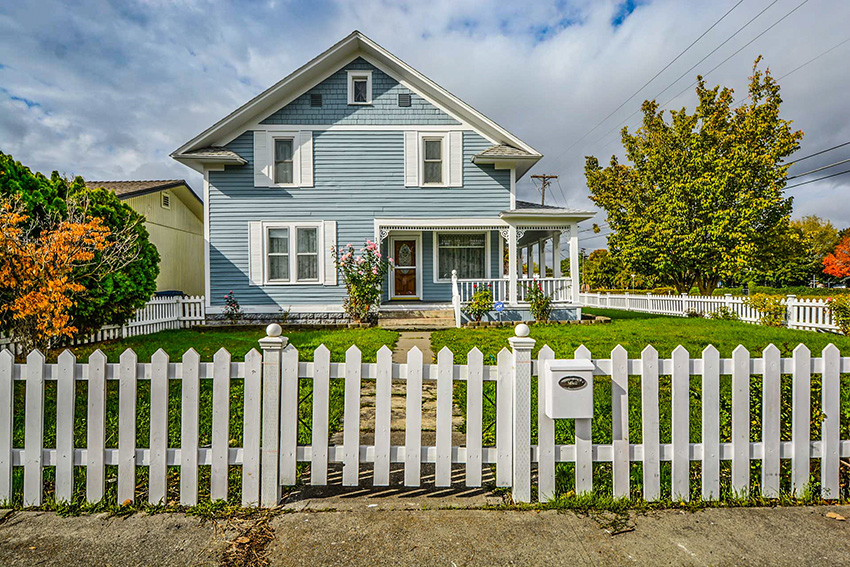
If you’re thinking about putting your home on the market, building a fence, or improving your current fence can significantly make your home stand out from the competition. Not only does a high-quality fence improve your home’s marketability and help it sell faster, but it will also increase your home value as well so you walk away with more money in your pocket.
We’re going to explore all the ways that fencing improves quality of life and resale value for homeowners. We will talk about cost, return on investment, home value, materials used, fence placement, and what to avoid when installing a fence.
Why does building/improving your fence improve the value?
Quality, attractive fencing provides many benefits to homeowners in the Chesapeake area. For families with kids and pets, a fence can keep them safe. For homeowners with nearby neighbors, fencing can provide quality and property line designation.
Let’s take a closer look at the many benefits of fencing in your yard and why they improve the value of your home.
Privacy
The backyard is an oasis for many families. This is a space where families relax, cookout, and take a dip in the pool. Having a privacy fence of five to eight feet high greatly enhances the feeling of peace and relaxation by preventing neighbors’ prying eyes from peering into your backyard. A privacy fence not only protects your home’s oasis from other people but from intrusive sounds. Fences can reduce noise along highways and railways by as much as 60-80%.
Feeling a sense of calm, privacy, and personal space enhances the quality of life for any homeowner. Potential home buyers will appreciate the addition of a privacy fence for these reasons.
Safety & Security
A sturdy fence makes a home more safe and secure. Children and pets can play in the backyard without wandering off into the neighborhood or the street. A fence also keeps intruders out. With a quality fence, you can prevent wild animals from getting onto your property.
In addition, an unfenced yard in a neighborhood with primarily fenced yards could draw the attention of burglars and intruders as an easier target. This is one way you do not want to stand out in your neighborhood.
Designate Boundaries
We’ve all heard the old adage, “Fences make good neighbors.”
Installing a fence can help avoid disputes over property lines and boundaries. It can also block out unwanted sights on neighboring properties that would otherwise be a nuisance. We recommend you be sure to research your property boundaries first. Fences can help designate boundaries on your own property as well. Some homeowners like to fence a portion of their yard for pets or a secluded nook. Fencing can also enclose a swimming pool for safety to keep small children away from the water.
Enhance Curb Appeal
An attractive fence that matches your home’s style and neighborhood can significantly enhance your home’s curb appeal. Wood, vinyl, brick, and stone fencing can give your house lots of visual interest. Decorative fencing around the front yard like a picket fence or elaborate wrought iron can add character and charm to your home. Fencing can provide a lovely backdrop or border to landscaping features like flowerbeds and shrubbery.
Future Value
Finally, fences add tremendous value to your home. If you are happy with your home’s fence, you can bet future homeowners will love it too. As you choose your home’s new fence, it’s important to consider your unique needs as well as your home’s location. Do you live near woods where wild animals could be an issue? Are you in close proximity to neighbors? What is the style of your home and the surrounding homes? There are so many reasons why fencing can add safety, privacy, value, beauty, and character to your home.
How much does the value of the home usually increase with a fence?
We’ve touched on all the reasons why adding or improving a fence can improve the value of your home. Now let’s get into some of the hard and fast numbers to consider as you plan for your home’s fencing. Here are some numbers to consider when planning to invest in home fencing.
Return On Investment
If done correctly, the ROI for a new fence can be 50% or even as high as 70%. This is considered a relatively high ROI as far as any home project is concerned. The materials you choose for your fence can substantially affect your ROI. Iron, polyvinyl, and wood are good choices when it comes to hitting that target of 50% or higher ROI. We’ll talk more about how to maximize your ROI in the next section.
Please note, with any home improvement project, it’s important to realize that your return on investment is rarely a dollar-for-dollar amount. This means that your home will be worth more than it would have been without a fence, but you will not be able to recoup the entire amount you spent on the fence. Your return is a percentage of the total investment, so try to make improvements that you can enjoy for a while before you sell.
Backyard Beautification
A stylish fence is the backdrop to any well-designed backyard. If your fence is part of a plan to improve the overall beauty of your backyard, expect to add even more value. An aesthetically pleasing backyard can increase a property’s value by approximately 10-20%. It can define the shape of the space, define the purposes of the space, and provide borders to your landscape design.
Cost of Building a Fence
While there’s no doubt adding a fence increases home value, determining whether or not to invest may come down to price. Building a fence is a major project. Factors that play into the cost of your fencing project include:
- Length of the fence (measured in linear feet)
- Height of the fence
- Materials used
On average, fences cost $25-$100 per linear foot. The average amount spent on a new fence is $ 8,700.
What’s the best type of fence to buy if I want to maximize my home value?
In order to make the most of your new fence, there are several factors to consider. The style of fence, materials used, maintenance and appearance, and cost of the initial investment all play a part in increasing — or decreasing — your home’s value. Here are four tips to maximize your home’s value when it comes to fencing.
- Choose the Style of Fence Wisely
Choosing an aesthetically pleasing fence will depend largely on the architectural style of your home and the surrounding homes. Backyard fences like wooden privacy fences or white vinyl fences work great for many homes, namely Ranch, Bungalow, Craftsman, Contemporary, and Modern Farmhouse. Picket fences are lovely on quaint homes like the Cape-Cod, Cottages, Tudor, and Bungalow. Some historic homes like Colonial Revival, Neo-Classical, and Victorian can be well complemented by ornate wrought iron or metal fencing, while Mediterranean and Spanish-style homes can look fabulous with brick or stone fencing.
Furthermore, neighborhood trends or HOA guidelines may dictate the style of fence you need to install. Home buyers gravitate toward homes that look like they fit in in the neighborhood. If you want to maximize your home’s value, it’s of the utmost importance that you adhere to these guidelines. This is a big decision, so we suggest consulting with a professional to help you make your plans.
- Material Matters
The materials used to build the fence can have a big impact on resale value. With fencing, you get what you pay for so consider quality, durable materials with easy maintenance.
Usually, any fence is better than no fence, but the three fence types with the highest ROI are:
Let’s discuss these three fence materials in depth, then look at some other popular fencing materials.
Wood
Wood fences are classic, timeless, and look good with many types of homes. Some homeowners are even doing wood fences with horizontal boards instead of vertical for a contemporary look. Wood is great for privacy and security. In addition, these fences are moderately priced.
Vinyl
Vinyl fences are popular with many homeowners. Vinyl is durable, long-lasting. Vinyl fencing comes in a variety of styles and colors. You can opt for privacy fence panels in the backyard and/or a vinyl picket fence in the front yard. The downside to vinyl is that it is prone to fading, difficult to replace, and one of the more expensive options.
Aluminum
Aluminum is a popular fence material due to its durability and timeless look. Aluminum is one of the most recycled building materials in the world, making it an eco-friendly and cost-effective choice when it comes to ornamental iron fencing and gates.
and aluminum fences look similar, but wrought iron is more ornate and expensive. Aluminum fences are made from steel that has been crafted specifically for outdoor use. It’s similar in appearance to wrought iron but typically made in more simple designs. They are most often found around pools or along driveways.
Chain Link
Chain link fences are durable, budget-friendly, and low-maintenance, but they do not afford as much privacy or security as other fence types. Additionally, chain link is not as pleasing to the eye or inviting as other fences, but it can be improved with vines or paint. Chain link and other wire fencing can be reinforced with barbed wire or razor wire, making them a more popular fence on farm and ranch land.
Bamboo
Bamboo fences are cost-effective and lend a tropical flair. They can be a stylish addition to homes in tropical climates or around swimming pools. They provide privacy and security as well.
Brick
Brick fences provide the ultimate in strength, durability, and privacy. These fences are truly an investment because they are expensive but may be a more cost-effective option in the long run thanks to little maintenance and a long life span.
- Keep Your Fence Looking Nice
A dilapidated, falling down fence is a red flag for home buyers and could be worse than not having a fence at all. Ongoing maintenance is a cost you must factor in when preparing to install a new fence. Before you invest in a new fence, research the kind of maintenance that will be required. Can you spare the time and money it will take to keep your fence in tip-top shape?
If you don’t want to deal with fence maintenance, consider opting for a vinyl fence instead of wood. If your current fence needs a little TLC, we recommend making repairs before you put your house on the market.
- Don’t Overspend
A new fence is an investment and savvy investors get the most bang for their buck. Don’t install an expensive wrought iron fence if the average home price in your neighborhood can’t support a decent return on investment when you sell. Research pricing and look around in your neighborhood. Try to choose a fence type that matches your neighbors at a price point that seems suitable to the price of the home. Wood fences are moderately priced and popular in just about all types of neighborhoods. Vinyl fences are similarly popular but are more expensive than wood. Conversely, installing a vinyl fence may cost more at the outset but save you money over time if you plan to live in your home for longer than 10-15 years.
While a chain link fence is a money-saver, it could bring down your home’s curb appeal if it’s very visible or if none of your neighbors have chain link fences. Another factor to consider is the warranty offered by your contractor. Going with a contractor that offers a warranty could save you hundreds. Are fences ever considered a negative addition to a home? Fences are generally a good addition to any home, but there are some things to avoid when it comes to fencing. Improper installation, unattractive fences, or poorly maintained fences can hurt a home’s value and make it harder to sell.
Here are some of the “don’ts” for fence installation.
Poor Fence Positioning
A fence can do much to enhance your home’s visual appearance, but a poorly positioned fence can actually reduce your home’s value. For example, a privacy fence in the back will add value to your home, but a privacy fence in the front will decrease the home’s value. Furthermore, if your fence obstructs utility easements, electrical lines, or water connections; crosses property lines; or violates city or HOA codes, then the once beautiful fence can become an expensive nightmare. If any of these violations come up on your home’s title work when you are selling, it could halt the sale of your home until you remedy the violations — and this can be very costly!
We recommend you talk to your neighbors and your HOA, and work with a professional before you begin your project. All of these things will help you determine the proper placement for your new fence.
Unnecessary Fences
Fences make sense in neighborhoods and subdivisions where neighbors live in close proximity. A house by itself out in the country may not have as much need for a yard fence.
The fenced-off section may even feel unnecessary or out of place. While a fence in this situation may not hurt the resale value, it probably won’t generate the same return.
A Neglected Fence
A rotted, chipped, or falling down fence can be an eyesore. Potential home buyers may see an expensive project and walk away. They may even wonder if the seller has neglected other home maintenance as well. Getting the most value from your home sale may mean fixing up that overlooked fence.
A Fence Not Suited to Climate or Region
If you live in the Pacific Northwest, you probably have a cedar fence because the wet climate isn’t conducive to other wood types. Aluminum fences may not be able to withstand climates with strong winds. Some types of vinyl become brittle in extremely cold climates. Fortunately, our climate in Chesapeake is generally mild enough for any type of fence material to withstand. If you live somewhere with an extreme climate, do your research so you don’t lose money by installing an impractical fence.
Don’t DIY
Unless you have experience with DIY fence installation, you could lose lots of time and money trying to install a fence yourself. If fences are not installed properly, certain weather conditions and soil types can actually force a fence up out of the ground. When it comes time to resell, a poorly installed fence could be flagged on a home inspection. Save yourself the hassle and hire a professional to install your fence correctly the first time.
How often should a fence be improved to maximize property value?
Keeping your fence in pristine condition is key to maximizing your property value. The type of fence you have will determine the type of maintenance you need to do and how often your fence will need to be replaced. Consider if you need to fully replace your fence or if a repair will be enough. Vinyl, chain link, wood, and decorative metal fences and often be repaired in sections.
Wood
Since wood is an organic material, it does need annual maintenance. We recommend annual staining in a color to coordinate with the house. Well-maintained wood fences have a lifespan between 10 and 20 years.
Vinyl
Maintenance for vinyl fences is low, requiring only the occasional pressure washing. It cannot be damaged by termites, rot, fungus, or fire and you will probably never have to replace it.
Aluminum
Aluminum fences are low maintenance and do not corrode; however, they may not hold up in climates with extreme snow, wind, rain, and hail. A simple hose down should be enough to keep your aluminum fence clean and in good shape.
Chain Link
Chain link fences can rust if not treated with a rust-resistant coating once a year. We recommend not climbing on a chain link fence as this can bend support posts and pull chain link away from the bars.
Bamboo
Bamboo fences require regular staining and sealing, or they may have a shorter lifespan than most fence types. A well-maintained bamboo fence can last 15-20 years, while an untreated bamboo fence may only last 2-7 years.
Brick
Brick fences last forever and require very little maintenance. We recommend simply inspecting the masonry regularly and keeping your brick fence clean and free of pesky plant growth.
Installing a Fence to Improve Home Value
We hope this comprehensive guide to everything from white picket fences to bamboo fences has been helpful. It’s our sincere wish that you improve your home’s real estate value with a fence that attracts lots of home buyers to your property.
We also touched on the importance of working with a professional when installing a fence. Whether you’re installing the front yard or backyard, professional installation can be as important as the style and materials used when it comes to your ROI. Reach out to us at Chesapeake Fence today and let’s work together to maximize your home value with a new fence.